Close
post-featured-image

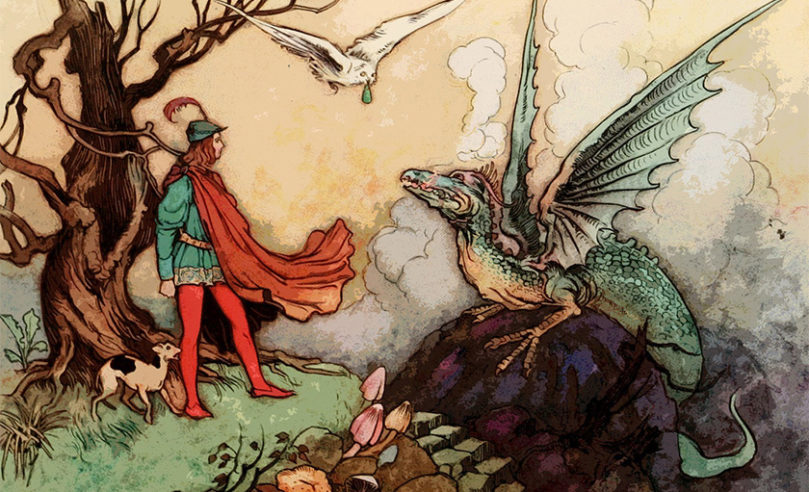
So, You Woke Up A Dragon? An 8-Step Guide to Survival from Brian Naslund

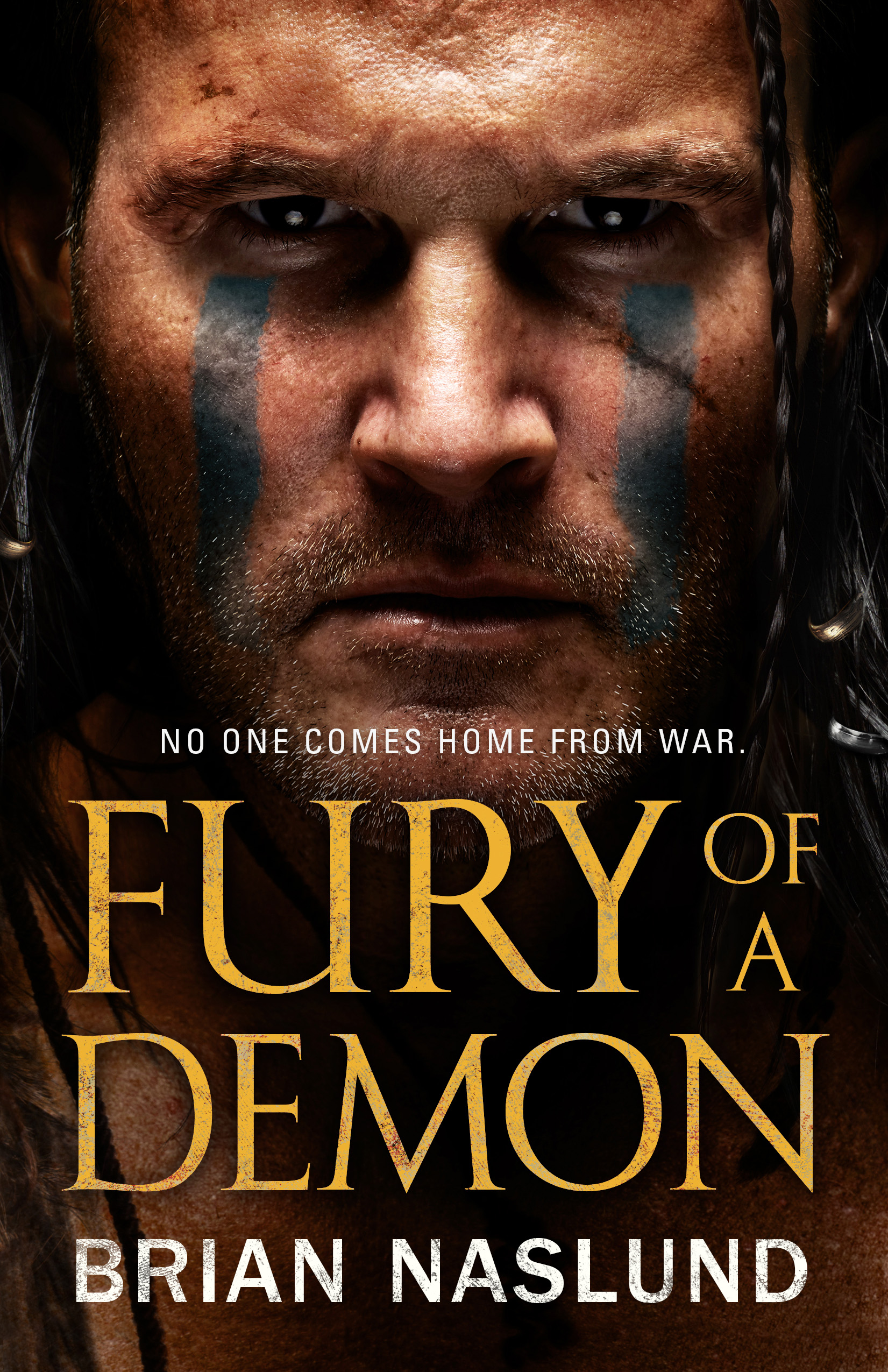
Image Placeholder of - 14For our final guest post of Dragon Week: Tokyo Drift, we asked  opens in a new windowFury of a Demon author Brian Naslund: What would you do if you woke up a dragon? Check out his step by step guide for what to do if YOU someday wakeup a dragon below!


As a human, the chances of transforming into a dragon overnight are low, but they’ll never be zero. So, it’s best to be somewhat prepared for the possibility.

Here’s a step-by-step guide to surviving and thriving in your new situation.

By Brian Naslund

  1. Don’t Panic

Behind dragonslayers, panic is your worst enemy. You don’t want to lose your cool and accidentally demolish a nearby school with a bunch of wild tail swipes. That will for sure come back on you, even if it was an accident.

So, take a few deep breaths. You can even try that Navy SEAL box-breathing technique. If it’s good enough for the SEALS, it’s good enough for a dragon!

  1. Determine Whether You’re a Wyvern or a Dragon

In your new life as a mythical creature, proper classification and nomenclature is going to be vital. So, take a look at your right arm, and determine whether your wing is a part of the appendage, or separate from it, which will indicate that you are…

…just kidding. This doesn’t matter right now. You’re above labels. Move on to step 3.

  1. Got wings? Use them!

Some guides may have you holding off on your first flight, but I say life’s short and you’ve lived the entirety of yours without being able to fly, until now. Go for it. Spread those wings and cruise amongst the clouds for a bit. Watch out for airplanes.

  1. More of an aquatic dragon situation? Go for a swim.

Humans have explored a paltry 5% of the ocean. Guess what? You’re now lord of the other 95% (unless Aquaman exists in which case, Boss Fight).

  1. Find a safe place to land, then get a sense of your moral alignment

Now that you’ve seen the sights, it’s time to do some inner reflection.

While soaring amongst the clouds, did you feel an overwhelming urge bathe a town in flames? That’s a sign that you might be Chaotic Evil. On the other hand, is your head filled with a bunch of riddles that—when answered correctly—make you want to blab on about buried treasure or share bits of wisdom? That’s more of a Lawful Neutral vibe. You’ll have more friends.

Whatever you’re feeling, be honest with yourself! Self-deception is almost as problematic as panic and dragonslayers.

  1. Look beyond immediate gratification. Do you want to stay a dragon?

Okay, the sky/ocean romp was a lot of fun, but down to brass tacks: you’ve undergone a significant life change, do you want to stay this way? If yes, move on to Step 7 without delay.

If no, you’ll need to do some investigating. Did you piss off any sketchy looking people lately? Someone who may have been a sorcerer/witch/wizard in disguise? Have you recently failed a test of conscience or character? What about robbing any potentially enchanted tombs?

Whatever the potential cause of transformation, it’ll take specific research to undo, but this is a good place to start. Good luck ditching those scales.

  1. Find a lair.

I’d suggest something remote, but spacious. Beneath a mountain is always a popular spot, but don’t be afraid to explore alternatives. Remote jungles. An oasis in a desert. Deep sea crevasse if you’re aquatic. And don’t stop at just one lair! A home for each time zone isn’t a bad goal.

  1. Prepare for Dragonslayers and/or Adventurers

Even if you pick a remote lair, the way things go, you’re going to be getting some visitors eventually. Their disposition will be impacted by the decisions you made in Step 3.

If you’re on the Lawful/Neutral side of things, you can expect nice interactions! Prepare riddles and rewards accordingly. Keeping a variety of teas around is also a nice touch.

If you went Black Hat in Step 3, dragonslayers are going to be a problem. Here are a few tips:

  1. You’ll probably receive steady stream of unprepared and angry “dragonslayers” who are just trying to avenge your latest act of destruction. You can ignite these fools on sight. Enjoy this work, but don’t get complacent. Hidden amidst this chum, there are people who actually know what they’re doing.
  2. Beware of an organized group who all seem to have a specific role in battle (wizard, archer, healer, etcetera). The well-balanced “D&D party” approach to dragonslaying is highly effective, so treat them with caution and respect.
  3. If a dude with blue face tattoos and a spear shows up, bail. Just bail completely. Fly around the world and find a new lair. Nobody will give you guff…you’re a dragon, and that guy was dangerous.

This concludes my basic survival guide for life as a dragon. I hope you’ve found it useful. If you’re looking for more guides, check out: Fire Breathing 101: An Introduction to Unleashing Your Inner Flame or Advanced Aeronanical Warfare: The Air Force Will Shake When Your Shadow Drops.

Brian Naslund had a brief stint in the New York publishing world but quickly defected to tech in Denver where he does internet marketing. He is the author of the Dragons of Terra series. The final installment,  opens in a new windowFury of a Demon is on sale now.

Order Fury of a Demon here:

opens in a new windowPoster Placeholder of amazon- 31 opens in a new windowPoster Placeholder of bn- 70 opens in a new windowImage Place holder  of booksamillion- 1 opens in a new windowibooks2 21 opens in a new windowindiebound

post-featured-image

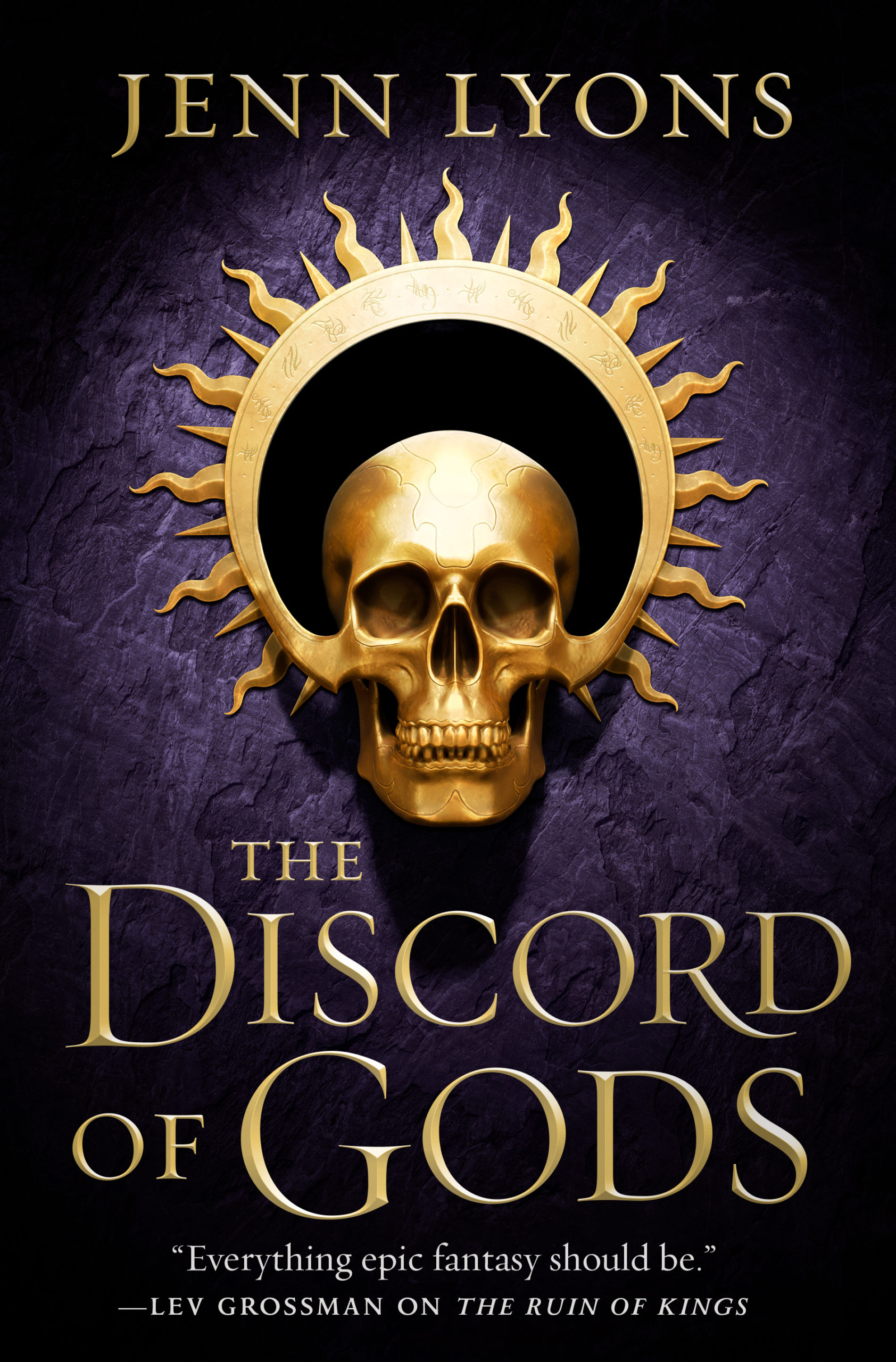
The Everyman’s Guide to Surviving a Dragon by Jenn Lyons

Poster Placeholder of - 30How does one go about surviving a dragon encounter? Jenn Lyons, author of the opens in a new windowChorus of Dragons series, has a simple answer: Just don’t. BUT if your dragon-y meet and greet is unavoidable, she has the following advice to give. Check out today’s Dragon Week: Tokyo Drift piece below!


By Jenn Lyons

First, I think it’s important to point out that most sure and certain way to come away from a meeting with a dragon alive, with health and sanity intact, is to never meet one. Don’t go searching for your death in the Manol, as they say in Quur.

However, that choice isn’t always ours to make, given that dragons can and do fly about on their own. So, in those cases, what can be done? Of the eight known dragons (and the ninth that no one talks about), each one is unique in every regard except perhaps basic shape, so it would be ill-conceived of me to hand out blanket advice and expect that to be universally applicable. So let’s discuss each dragon in turn.

Aeyan’arric

Aeyan’arric, the Lady of Storms, is one of the smaller of the dragons, but that makes her no less dangerous than the others. In appearance she’s a white color with blue, violet, and silver accents. She’s capable of creating storms over a wide area, preferring snowstorms and blizzards to rain. She’s not particularly verbal or prone to communication, but she is excessively territorial, meaning it’s unlikely that attempts to bargain or haggle with Aeyan’arric could succeed. The good news is that she’s one of the least inclined of all the dragons to pay attention to humans as long as they stay away from her. Her preferred prey animals are much larger than humans, so she simply isn’t interested.

Recommendation: Take shelter immediately. The threat from Aeyan’arric isn’t a direct one – she rarely attacks people. The real threat is the storms that roll up in her wake, which are devastating.

Baelosh

Probably one of the most famous dragons because of his famous feud with Emperor Simillion, Baelosh is also one of the most loquacious of the dragons. This may trick people into thinking he’s reasonable, but don’t be fooled. He’s as evil as any of them. He just likes to chat more (a trait he shares with his brother Sharanakal). He is strongly connected to plants and flora of all kinds, and areas around him tend to quickly become overrun with toxic, lush, and amazingly hostile plant life. He breathes out a combination of spores and acid that not only kill but promptly turn the victim into garden fertilizer.

Recommendation: Baelosh is one of the only dragons that can be bribed, having a marked fondness for faceted gems like diamonds and emeralds. He especially likes tsali stones of all kinds. Emperor Simillion showed that it is possible (albeit it incredibly dangerous) to engage Baelosh in a riddle battle, and Baelosh may well share his brother Sharanakal’s fondness for music.

Drehemia

The problem with Drehemia, dragon of secrets and shadows, is that it’s exceedingly difficult to find her, meaning that any encounter with the dragon is likely to happen on her terms. She can create huge swaths of darkness, turn invisible, and has the ability to make people regress to mindless savagery, attacking anything nearby, including each other.

Recommendation: Drehemia seems to have a collection of ‘game pieces’ similar to Sharanakal’s stone garden, and it seems probably that these weren’t willing volunteers. So don’t try to bargain with her. Just leave as quickly as possible. If you must face her, then know that she doesn’t seem to enjoy light, but whether that’s an offensive advantage or just a bullseye is anyone’s guess.

Gorokai

Gorokai may well exceed Baelosh for gregarious tendencies, but it’s difficult to know for sure. For centuries the fishermen living around the edges of Rainbow Lake used to tell a story about a magic talking carp who would either grant wishes or twist the meaning of said wishes in the most destructive and awful ways imaginable. It wasn’t until Gorokai revealed himself that we realized these carp myths had a basis in fact. Gorokai is a shape-shifter, one capable of incredible shifts in size, shape, and ability. He seems to be perfectly capable of copying the other dragons. In his own ever-changing shape, he has a breath weapon that wreaks absolute havoc on all surrounding matter, including people, ranging from turning them into potted flowers to turning them inside out.

Recommendation: The main problem with Gorokai is that he’s an unpredictable, chaotic mess. He apparently has helped people, but whether or not he will be helpful or not in any random encounter seems to hinge on a coin toss.

Morios

Morios is a metallic dragon so covered in sharp long spikes that it looks like he’s made up of swords. He can breathe a storm of metal blades as well, which is a bit of a problem for most wizards since there’s enough variation in form that it’s extremely difficult to block what he’s tossing at them. He is the largest of the dragons, the one who tends to sleep for the longest stretches, and also the one who causes the most devastation when he wakes. He seems to have an enormous enjoyment of fighting, which is a problem when the only forces capable of taking him on are gods and armies. Also, and this cannot be stated strongly enough – he seems to gain power from acts of intentional violence against him.

Recommendation: The only time anyone has successfully defeated him was by not attacking him directly, but rather letting him be collateral damage to an attack aimed at someone else. So in theory, it might be possible to defeat Morios through explosive spells targeted against others, or by passive abilities that are not, in of themselves, meant as direct attacks. Generally, I recommend avoiding Morios if at all possible.

Rol’amar

Rol’amar is a dead dragon somehow still made animate through the curse that empowers him. Unfortunately for Rol’amar (and everyone else), it’s left him in unspeakable agony, to be the point where communication with him seems no more possible than communicating with a wild, mad dog. This means his rampages truly are that. Also, he seems to animate any dead around him for quite some distance, so typically people facing Rol’amar will be fighting both him and an entire animated army of dead.

Recommendation: Leave, preferably through a gate or teleport or some other similar method, since unlike some of the other dragons on this list, Rol’amar does like to chase. Rol’amar doesn’t seem to like healing magics, but it’s unlikely this would be enough to permanently defeat him.

Sheranakal

If a volcano could be reborn as a dragon, his name would be Sharanakal, or as some of the locals around the Zherias region liked to call him, ‘the Old Man.’ Like all the other dragons, he naps for long periods at a time, but when he wakes is extremely active.

Recommendation: Sharanakal is extremely fond of music. Unfortunately, this is not an ideal solution, because he’s also fond of kidnapping musicians and keeping them as his own private entertainment. He does this by magically trapping them inside stone pillars which he refers to as his ‘garden’ – I assume that this is some kind of dig at his brother Baelosh – and freeing them only for long enough to sing a few songs before imprisoning them once more. Avoid him if at all possible.

Xaloma

It’s extremely unlikely that anyone will run into Xaloma, since she almost exclusively makes her home in the Afterlife. The ghost dragon is fond of water and can usually be found resting in the Afterlife’s lakes and oceans. Because it is so rare to run into her, very little about her abilities are known. She is Sharanakal’s sister (but not Baelosh’s – Baelosh and Sharanakal share the same father, while Sharanakal and Xaloma share the same mother) and doesn’t seem to be particularly talkative.

Recommendation: Xaloma seems to be fine as long as one doesn’t infringe on her territory – and then she is not fine. So basically, do not disturb.

And last but certainly not least:

Relos Var

Relos Var is certainly an interesting case, since he rarely appears as a dragon, preferring to instead maintain a human form whenever possible. He most closely resembles his niece, Aeyan’arric, being primarily white in coloration as a dragon, although with an opal, rainbow sheen where Aeyan’arric is silver and blue accented. He breathes an extremely hot blue fire that is capable of metal metal in seconds and which poisons whatever it touches for years afterward.

And yet, he’s more dangerous as a human wizard.

Recommendation: Avoiding him can be taken as given, but that’s usually not so easily done if he has his eyes on you. Mainly, one should always be aware that Relos Var rarely comes out on the losing end of any deals he makes, so if you think you’ve gotten the better of him, assume that just means there’s an angle that you don’t yet understand.

Jenn Lyons lives in Atlanta, Georgia, with her husband, three cats and a nearly infinite number of opinions on anything from Sumerian mythology to the correct way to make a martini. Lyons traces her geek roots back to playing first edition Dungeons & Dragons in grade school and reading her way from A to Z in the school’s library. Formerly an art director and video game producer, she now spends her days writing fantasy. In 2020, she was nominated for the Astounding Award for Best New Writer. Her five-book Chorus of Dragons fantasy series begins with  opens in a new windowThe Ruin of Kings. The final book in the series,  opens in a new windowThe Discord of Gods, hits shelves everywhere 04/26/2022.

Pre-order The Discord of Gods here:

opens in a new windowImage Placeholder of amazon- 40 opens in a new windowImage Placeholder of bn- 73 opens in a new windowImage Placeholder of booksamillion- 4 opens in a new windowindiebound

post-featured-image

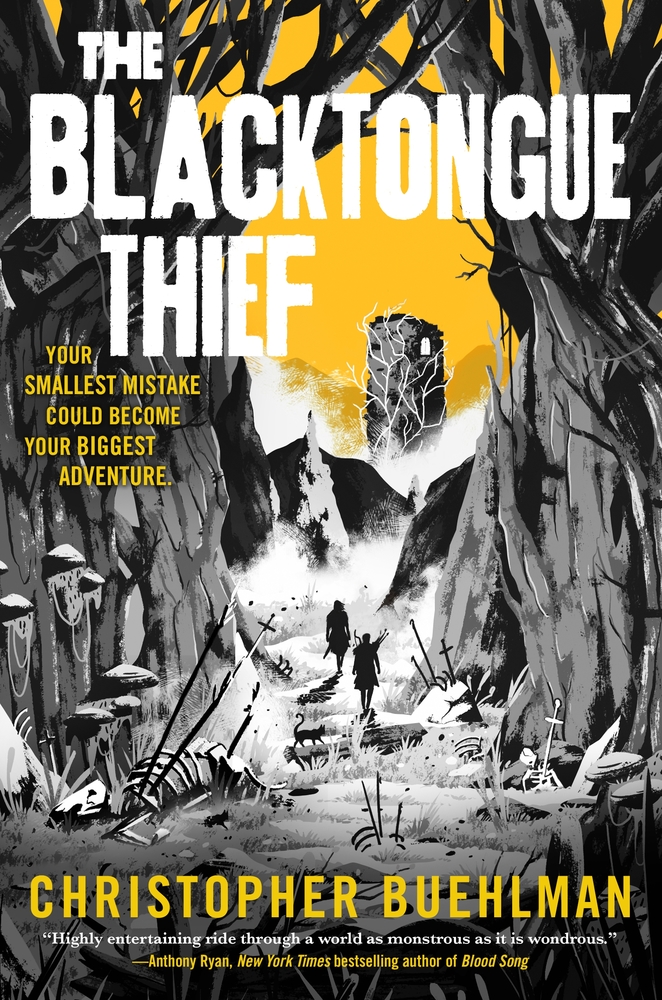
A Gentleman’s Guide to Slapping A Debtor for Free Beer

Image Place holder  of - 16Would you slap someone for a free beer? In the world of  opens in a new windowThe Blacktongue Thief by Christopher Buehlman, you can do just that…if the person in question is a debtor. Check out the rules on how to slap someone for a free drink below!

By Christopher Buehlman

Salute!

Your friends in the Takers Guild wish you good luck and good health!

And what is luckier for the purse or healthier for the blood than a glass of wine, beer, or burnwater given gratis?

Your Guildron uncles, aunts, sisters and cousins invite you to claim the gift of the debtor’s hand when you should meet any person whatever bearing on their cheek the tattoo of the open hand.

And what a tattoo!

Only visible by firelight, and appearing as a rusty brown, not unlike Keshite henna, but not fading until their debt to the Guild is out of arrears.

To claim your gift, first ask of the barkeep if any has yet fetched the debtor a slap that night. If so, go your ways. If no, state your intent by saying for all to hear “I claim the Guild gift of this debtor,” or some such.

Once said, no other may claim the gift after you, unless you fail to strike within a pissing while.

Once said, the debtor may and must not speak to you so long as you speak not to them.

Once said, the debtor may in no wise flee!

Once said, the debtor may make or imply no threat to you or yours.

Strike then the debtor upon the cheek bearing the mark–right cheek for lesser debts, left cheek for greater–hard enough to be heard by all and felt by one.

Take care to use palm and fingers rather than heel, or the debtor may answer as they will.

A backhand may be offered fingers flat and not knuckles first, or the debtor may answer.

Strike not the ear, neck or temple, or the debtor may answer.

A fair and proper slap will have no answer, save your cup filled with what you please, and that the barkeep has to offer.

Any backtalk, backslap or other harm given or threatened for any fair and proper slap shall be the duty of the barkeep to sing at the Hanger’s House–under the sign of the hanged man holding his own noose–and the debtor will be summoned for a tonguewag, and more, on their fault depending.

To your best days and better nights!

Harralah!

CHRISTOPHER BUEHLMAN (he/him) is an author, comedian, and screenwriter from St. Petersburg, Florida. His novels include Those Across the River and The Suicide Motor Club, and his plays include The Last Neanderthals: A Paleolithic Comedy and Hot Nights for the War Wives of Ithaka. His latest book, The Blacktongue Thief, hits shelves on 05/25/2021.

Order The Blacktongue Thief Here:

opens in a new windowPlace holder  of amazon- 83 opens in a new windowPlace holder  of bn- 5 opens in a new windowImage Placeholder of booksamillion- 88 opens in a new windowibooks2 87 opens in a new windowindiebound

post-featured-image

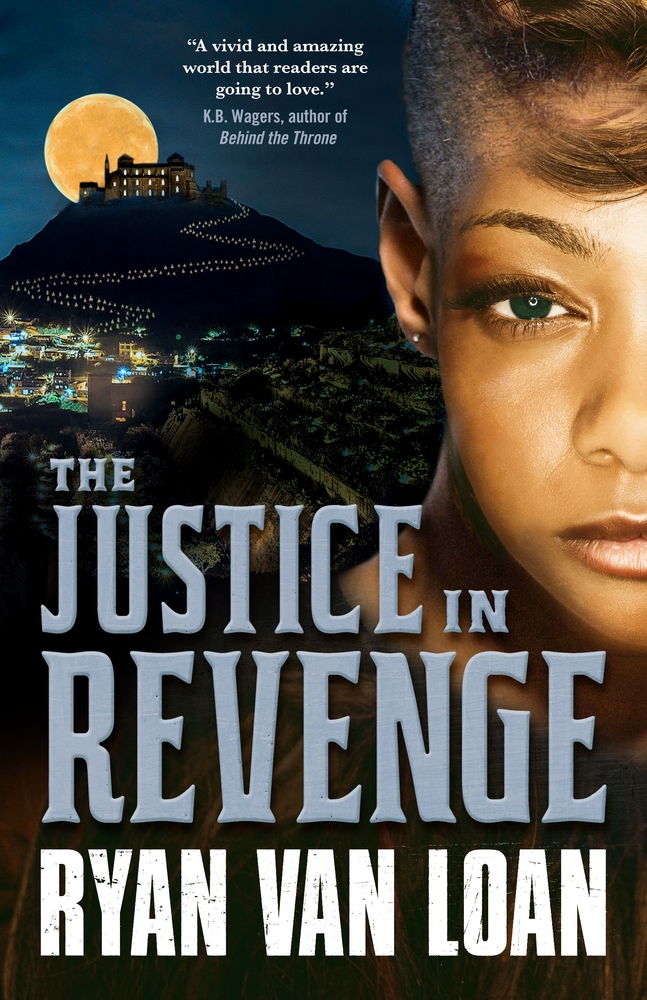
The Trouble with Writing (Too) Smart Characters

Image Place holder  of - 91How do you write brilliant, Sherlockian characters? Ryan Van Loan, author of opens in a new windowThe Sin in the Steel and the upcoming sequel, opens in a new windowThe Justice in Revenge, knows the struggle, and talks about his experience writing super smart characters like his protagonist Buc.

By Ryan Van Loan

“I’m not like other people; I’m the oddity, but to my eyes it’s everyone else who’s strange.”

That’s the protagonist from my FALL OF THE GODS series, Sambucina ‘Buc’ Alhurra, prenatural genius and autodidact street rat convinced she can save the world. She’s a double-barreled blunderbuss of fun to read, but a lot harder to write. Genius-level protagonists often are. Sherlock Holmes. Hermione Granger. Locke Lamora.  Cas Russel. Kvothe. Some of the sharpest minds in genre fiction and every one of them a delight to read on the page…but how does one go about writing them? I suspect if you’re a genius it may not be all that difficult, but what about mere mortals like present company? Come take a look behind the page with me and I’ll show you some of the tips and tricks I use when writing characters who are far smarter than I am.

If books are full of magic (of course they are), then authors are the magicians (I know that sounds grand, but I also scoop up my dog’s poop, so). The base layer of our magic is this: by simply reading a line, the reader internalizes the words on the page. Once you’ve let those words burrow into you, they’re hard to get out. That’s why books are so powerful…and dangerous. They can slip thoughts, notions, ideas into your mind that you’d never have considered, let alone held closely before. This is one of my favorite feats of legerdemain when writing genius-level characters: call attention to their genius. There’s a myriad of ways to do that, from the blunt: have other characters name them a genius, to the subtle: show our would-be Einstein continually frustrated with the failure of others to keep up with their thoughts and plans. Sprinkle that in early and often and we the reader now believe, or at least are open to the belief, that this character is smarter than we are.

Now that we have the reader open to suggestion, we need to harden that belief into firm reality. A favorite trick of mine is to think about a current dilemma facing our protag (it could be something as simple as a discussion or as complex as the climactic Act 3 showdown) and list the ways they could solve the issue. Immediately discard the first several that come to mind (but don’t throw those away, we’ll come back to them) because those are what your normies would think of trying. Now comes the hard part…waiting for some really intriguing, unique solutions to surface in your mind. Be patient. Go for a walk, grab a hot shower, read a book. Eventually you’ll get one (or even two or three!) that make you sit up and chuckle to yourself. Those are the ones you want to have your genius set into motion.

Remember those earlier solutions? Those are great for feeding through the mouths of secondary characters who are just like us. They’re also wonderful to have your protag pick apart early in the story to further establish their bonafides in the brains department. Okay, so now we know what our protag wants to do, but we all know ideas are one thing, execution another. Sticking with our magician angle, when I’m putting our genius’ solution into action, I like to use misdirection whenever possible. Show just enough of the solution that the reader thinks they know where our main character is taking this and then spring the reveal on them at the climactic moment. They’ll connect the dots, get that wonderful surprising-yet-inevitable feeling, and our protagonist’s genius will be forever cemented in their mind.

Talking about or showing our character’s genius and coming up with unfathomable solutions are two great ways to create smart(er) characters. What else? Vocabulary and speech are two obvious ones. Some feel that using fewer contractions can show intelligence, which is true, but you have to watch for stilted language at that point. I do like to sprinkle in some complex words and even have another character ask what they mean, but typically I rely upon syntax and contextual clues within the speech to demonstrate smarts. Research is always your friend, both in understanding particularly erudite pieces of science that you want to use and also in looking at what historically genius-level folks have gotten up to that you can then steal *ahem* borrow, and fit into your story.

I’ll wrap this up by reminding you that the author has as long as they need to practice their sleight of hand. Especially if you’re the type of author that likes to write by the seat of your pants…revision is your friend. Whenever I start to feel overwhelmed (or worse, underwhelmed) with creating a genius protagonist, I find it comforting to remind myself I can fix this all in post. You can go back and tweak language, adjust scenes, tailor the set up so that your reveal is THAT much cooler. You’re the creator, so use your power to your advantage and hold the reveal close to your vest until you’ve got it down pat.

Those are some of my tips, what are some that you’ve seen other authors do or tried yourself?

RYAN VAN LOAN (he/him) served six years in the US Army Infantry, on the front lines of Afghanistan. He now works in healthcare innovation. The Sin in the Steel was his debut novel. Van Loan and his wife live in Pennsylvania.

Pre-order The Justice in Revenge here:

opens in a new windowImage Placeholder of amazon- 76 opens in a new windowPlaceholder of bn -3 opens in a new windowPlace holder  of booksamillion- 62 opens in a new windowibooks2 64 opens in a new windowindiebound

post-featured-image

Some Must-Read Sibling Rivalries in SFF

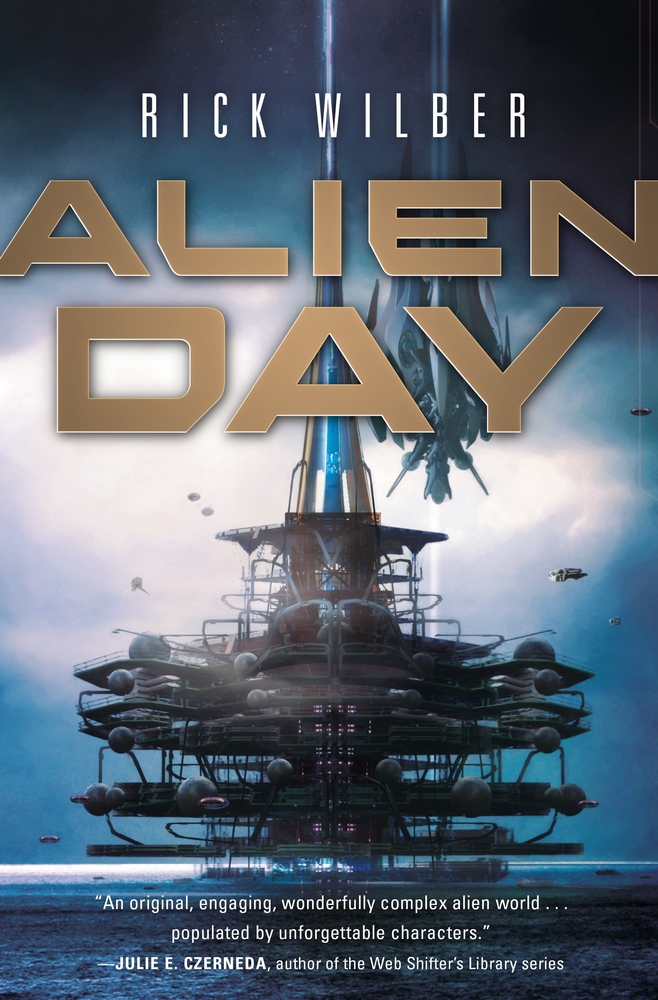
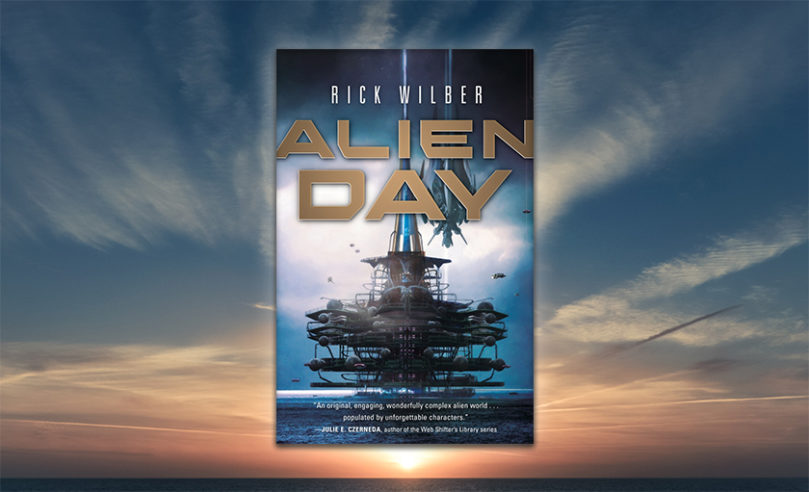
Image Placeholder of - 82There’s no love lost between families, right? Rick Wilber, author of  opens in a new windowAlien Dayjoins us on the blog to talk about some of his favorite sibling rivalries in SFF and how they’ve impacted the genre. Check it out here!

By Rick Wilber

I’ve written a lot about sibling rivalries in my novels and my short fiction. There is no love lost between brothers, the human brothers and the conquering alien brothers both, in my S’hudonni Empire stories. A number of these stories have been published in some top magazines and anthologies, and two are at novel length, first in Alien Morning (2016, Tor) and now in the sequel to that book, Alien Day (Tor, 2021), out June 1, 2021. Alien Morning was a finalist for the John W. Campbell Memorial Award for Best Science Fiction Novel 2017. We’ll see if Alien Day can find its own success in the marketplace.

The Holman brothers, Tom and Peter, are deadly enemies who have chosen opposite sides between the two warring princes of S’hudon, Twoclicks and his brother Whistle, who have come to Earth for profit, not conquest, and are battling each other for control of Earth’s colonial profits. Tom and Peter’s sister, Kait, is caught in the middle of all these brotherly conflicts, both Earthie and alien, but rises to the occasion and winds up one hero of the story. Hollywood action-hero Chloe Cary, the supposed girlfriend of Peter (Chloe would disagree) is the other.

All of this fractious sibling strife may be reflective of my youth, growing up with four siblings, an older brother and a younger one, and two younger sisters. We were often harmonious, the five of us; but there were moments of sharp competition, too, especially with me and my brothers. Driveway basketball games sometimes erupted in anger and, more than once, required parental intervention. We’re all a great deal older now, but the friction between us, for one reason or another, often still rubs.

Happily, for me as a writer, there’s a silver lining to the dark cloud of all that family strife. It gives me another tool to use in storytelling.

Sibling rivalries lend themselves to drama and comedy, since they provide the kind of conflict that makes a good plot happen. Science fiction has plenty of sibs in conflict to choose from, from the pulps to the cutting edge of today’s science fictional storytellers. I wanted to take a look at some of those, and I asked my Facebook friends for help and, wow, did I get some great things to read.

So with the help of those well-read Facebook friends here are some favorite science fiction novels, older and newer, that feature siblings in conflict, starting with some classic work from the 1950s and moving forward to today.

At least two of Robert A. Heinlein’s juvenile novels feature siblings. Writer Leisa Clark reminded me that in Podkayne of Mars , our hero Podkayne has plenty of conflict with her brother, about whom, Podkayne tells us, there is “no present indication that Clark ever intends to join the human race. He is more likely to devise a way to blow up the universe.” (Which, by the way, he actually does in the book, though it’s limited to a large building on Venus and not quite the universe). Podkayne throughout doesn’t think much of Clark, and with good reason. Ultimately, she loses her life to Clark’s machinations.

Writers Paul Di Filippo, Brendan DuBois and John Kessel all mentioned another early Heinlein juvenile, Time for the Stars,  that features identical twin brothers who learn to communicate telepathically, and instantly, across time and space. Tom and Pat Bartlett (and many other sets of twins) are the critical component of a long-range search by torch ships for habitable planets for burgeoning mankind (hey, it’s Heinlein). Heinlein tells the story through Tom, who’s insecure and envious of his more successful older brother until, finally, he’s not. Relativity and time dilation eventually separate the brothers until the final scenes, where they patch things up and Tom, who’s been the loser in love throughout, finally gets the girl, a great grandniece who’s been telepathically connected to Tom for years. Through the wonder of time dilation, they’re nearly the same age.

Time for the Stars was my favorite novel when I was twelve years old, sitting on the couch in the family home on a sunny Midwest Saturday, reading like mad about these other brothers who had the same insecurities I did. My father, who’d been a Major League baseball player and was, by then, a coach and scout, yelled at me to put down the book and go outside and play some ball, like my brothers were. But the book was unputdownable and I argued, unwisely. Then my mother came in to rescue my reading, telling Dad that it was okay to have one son who loves to read. I kept reading heavily. I’m reading still, some sixty years later.

My favorite reads of the last month or so are books that were recommended to me by pal (and World Fantasy Award winner) Greg Bossert and pal and colleague at Western Colorado University’s MFA in Genre Fiction, Fran Wilde.

Bossert mentioned that Ian McDonald’s Luna trilogy is chock full of sibling rivalries. I’ve been a fan of McDonald’s novels and short fiction since Desolation Road, but until this past month I hadn’t read Luna: New Moon (Tor, 2015) and its sequels. Big mistake on my part! Luna: New Moon is riotously filled with sibling rivalries, mostly in the Corta Helio, where brothers and sisters are, sometimes literally, at each other’s throats. McDonald’s exuberant writing is perfect for this book about the Five Dragons, those corporate dynasties that control the moon’s economy, battling against each other all the while. It’s tempting, in fact, to think of the Five Dragons as corporate siblings, squabbling for power, making alliances and breaking them, always looking for an angle one against another. Sounds a lot like me and my siblings.

Fran Wilde pointed me in the direction of Laura Lam’s False Hearts (Tor, 2106), which tells the near-future story of conjoined twins, Tila and Taema, living in San Francisco after being separated surgically. The twins were raised in a cult but have left it behind. Maybe. They’re now trying to live their separate lives, but they’re inevitably drawn together. The story is one part murder mystery, another part drug war, and a third part the power of the cult that raised them. It was author Lam’s debut adult novel and an excellent story of rivalry, dependence, and undercover sleuthing.

Yet another excellent book with sibling conflict is the 2020 novella (published first on Tor.com and then as a short ebook by Tor) is Anthropocene Rag, by Alex Irvine. This is a buckle-your-seatbelt crazy road-trip nanotech post Boom apocalypse story where contentious twin brothers Geck and Kyle and their friends like Prospector Ed travel to find the mythical Monument City at the behest of Life-7. When they get there they find out the truth of things, sort of, and one brother pays a heavy price.

An interesting story of sibling hubris versus humility is another Tor.com novelette published first on the website and then as a book. In Firstborn, by Brandon Sanderson, High Officer Dennison Crestmar, a much younger clone of High Admiral Varion Crestmar, must find a way to understand and overcome his famous, and overly ambitious, older brother. Any younger brother who spent time in high school hearing teachers wonder why he didn’t measure up to his older brother’s successes, will appreciate how this story ends.

There are many more novels, both adult and YA, that my Facebook friends reminded feature sibling rivalries, from Ender Wiggin and his siblings in Ender’s Game, to Lois McMaster Bujold’s excellent Brothers in Arms where a cloned brother fights for acceptance, to Madeleine L’Engle’s classic A Wrinkle in Time where Meg Murry’s love frees her genius brother Charles, to Harry Turtledove’s powerful alternate-history novel, Joe Steele, where the point-of-view in the storytelling involves two brothers, Mike and Charlie Sullivan, on opposite political sides during the 1930s and 1940s in an America where President Joe Steele assumes dictatorial powers.

There are plenty more, and I’m sure you have your favorite. My favorite of the newer sibling rivalries is a tossup between Laura Lam’s False Hearts and Ian McDonald’s Luna: New Moon. Both of them were a joy to read and both of them led me to more work by these authors, Shattered Minds (Tor, 2017) by Laura Lam and Luna: Wolf Moon (Tor, 2019) by Ian McDonald. And now it’s time for some reading.

Rick Wilber is the author of opens in a new windowAlien Morning, as well as opens in a new windowAlien Daycoming from Tor Books 06/01/2021.

Pre-order Alien Day Here:

opens in a new windowPlaceholder of amazon -88 opens in a new windowImage Place holder  of bn- 50 opens in a new windowPlace holder  of booksamillion- 43 opens in a new windowibooks2 37 opens in a new windowindiebound

post-featured-image

Pandemic vs. pandemic: I Thought I Was Writing Fiction

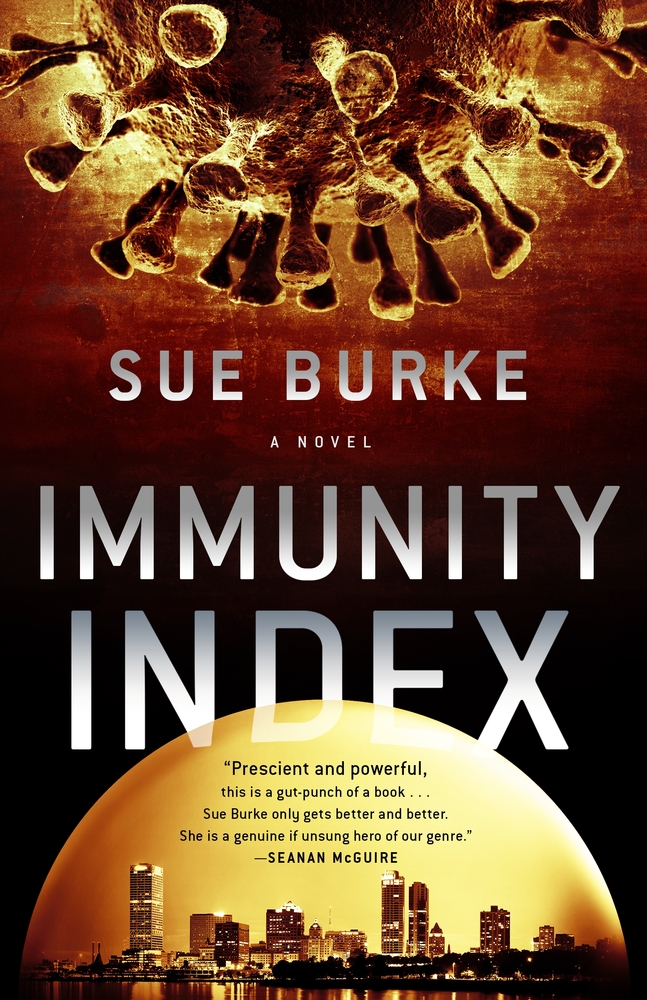
Image Placeholder of - 90What is it like to have a pandemic book come out…in the middle of a pandemic? Sue Burke, author of  opens in a new windowImmunity Index, talks about her latest novel, living through a pandemic, and more in the below guest post. Check it out here!
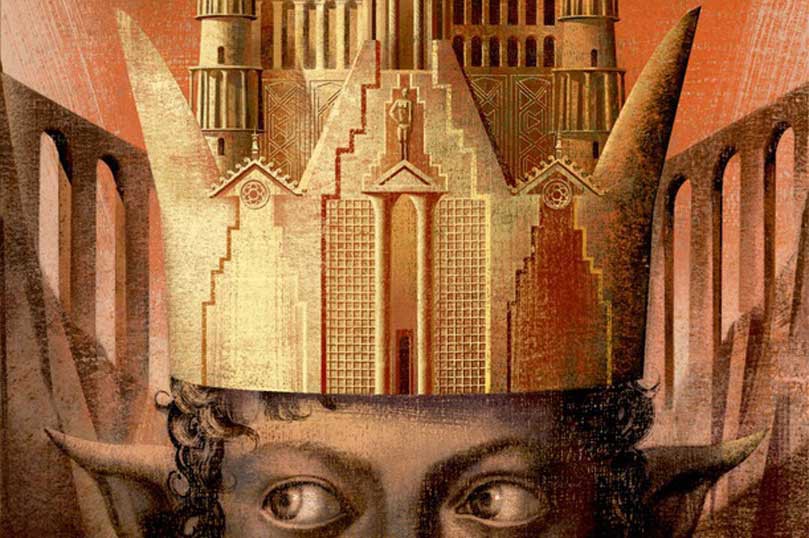

By Sue Burke

At the end of February in 2020, I bought a little extra food and a little extra toilet paper. Not a lot. I was trying to be reasonable, even though I was terrified.

I had just begun final edits to my novel Immunity Index. I’d started it two years earlier, and the plot included… a coronavirus epidemic. At the time, it seemed like a good idea. If science fiction often examines the present disguised as the future, we knew one thing for certain in 2018: sooner or later, an epidemic, even a pandemic, was coming.

I’d been through epidemics before. When I was about six years old, my parents took me to a mass public health clinic to eat a soggy sugar cube in a tiny paper cup: a polio vaccine. A year later, like most of my classmates, I got chicken pox and was miserable, with pox in my hair, on the soles of my feet, and everywhere in between.

Two years after that, my mother took my brother, sister, and I to the local health department to get blood drawn because something called measles was coming. Soon it arrived, burning through my school. A boy a grade ahead of me died. At one point the fever made me hallucinate. Never throw up when you’re hallucinating. When we were well, although I was still emotionally traumatized, my mother took us to have blood drawn again “so they can see what changed in your blood and figure out how to keep other kids from getting sick.” I was proud to help.

In the 1980s, as a journalist, I covered AIDS, which had begun to appear among gay men. I learned a lot about viruses—and about who matters politically. I wrote obituaries and reported on funerals, sometimes weeping as I typed. I first heard of Dr. Anthony Fauci.

In 2018, with a novel in mind, I began researching epidemics. It was depressing. Ed Yong’s article in the July-August 2018 issue of The Atlantic hurt the worst. “The Next Plague Is Coming: Is America Ready?” Short answer: no. We had invested vastly less than we should, he wrote, and yet a repeat of something like the 1918 Spanish Flu would cost hundreds of billions of dollars. (Covid-19 has actually cost $16 trillion, according to a pair of Harvard economists. Ed Yong turned out to be an optimist for once.)

Still, public health authorities had been trying to imagine how to prepare. A 2006 Health and Human Services report recommended stockpiling surgical masks. A 2014 Morbidity and Mortality Weekly Report discussed social distancing. Every document, especially those with recommendations based on the 1918 flu epidemic, called one thing essential: tell the truth so the public will know what to do. “Success relies upon open, honest, transparent, and clear communications,” opens in a new windowsaid the US Health and Human Services Pandemic Influenza Plan, 2017 Update.

In 2018, I didn’t have to imagine government leaders failing to tell the truth.

These plans, however, all expected an influenza outbreak. I chose a coronavirus, usually the cause of the common cold, because it can be deadly, as we had recently seen with SARS and MERS. Even the common cold can kill.

So I wrote a novel, then rewrote it several times, tying together four separate plot strands, shortening the timeline, and heightening the tension. And I killed a lot of people, as I tend to do in my fiction. But fictional deaths are one thing.

On March 11, 2020, I got a hair cut in anticipation of some upcoming events, just in case. By the end of the day, those events were being called off. A few days later, toilet paper disappeared from local stores. On March 15, I began self-isolation. I was 65 years old, and the news terrified me.

Regardless, I had to work on that novel. I also keep a personal journal. I wrote in March, 2020, that I was a feeling depressed. The nation would not be ready. I noted with horror that in Madrid, Spain, where I used to live, the ice rink had become a morgue. During the following month, I wrote that I felt glum, irritable, fidgety, weird, nervous, and even hopeless.

On short neighborhood walks, I saw closed businesses, the plants in the windows slowly dying. A nursing home down the street needed PPE, so I donated a box of nitrile gloves I happened to have. I turned in the manuscript and had more time to feel pointlessly angry.

Finally, on May 6, I wrote: “I realized today why at times it felt upsetting to be writing this book while Covid-19 was raging: the book portrays a better situation than our reality, and it has a happier ending than what we might face. This is a grim book, but maybe not a dystopia by comparison.”

My fiction was better than my reality. That gave me nightmares—especially knowing that it didn’t have to be this bad.

I am not writing this to ask for sympathy. Save it for others. I’m fine. I hope you are, too. My loved ones and I got through this relatively unscathed. No one died. Our finances survived. For too many people, this pandemic has meant disaster after disaster. I live next to a food pantry, and the line continued to grow all last summer. Things kept getting worse—far worse than initial expectations.

So I gave what I could to help others, distracted myself with some fine books (thank you, Tamsyn Muir), protested with great social distancing for Black lives, and attended some online events and science fiction conventions that tried hard to be enjoyable. I muddled through. If leggings count, I always wore pants. Now, I am vaccinated and waiting for my husband to be fully vaccinated so we can resume a normal-ish life. I want to hug people again, and they tell me on Zoom that they’re ready and waiting.

This hard year left us all hurting. Far, far too many people are dead, needlessly.

In the end, I learned that things viewed in the convex mirror of imagination may be closer than they look. We’re always writing about the present, sometimes too much about the present. And we’re writing about the past, too.

My book is set partially in my home town, Milwaukee. In 1918, the leadership of the Wisconsin and Milwaukee boards of health quickly spotted the threat of the coming influenza. They closed schools, theaters, and other public gathering places. Milwaukee’s Socialist mayor, Daniel M. Hoan, made public health a city priority. Flyers were passed out in poor, crowded, and immigrant neighborhoods in a variety of languages. Boy Scouts put up posters and placards. An emergency hospital was set up in the City Auditorium, staffed by student nurses and instructors from the Wisconsin Anti-Tuberculosis Association. Young women wealthy enough to have access to automobiles volunteered to drive them as ambulances.

As a result, Milwaukee, despite its especially dense population and high proportion of immigrants, lost 2 to 3 residents per 1000; the national average was 4.39.

We didn’t need to suffer as much as we have in this pandemic. But you already knew that.

Sue Burke is the author of the award-winning novel, opens in a new windowSemiosis opens in a new windowImmunity Index is out from Tor Books now. 

Order Immunity Index Now:

opens in a new windowImage Place holder  of amazon- 58 opens in a new windowPlace holder  of bn- 83 opens in a new windowPlace holder  of booksamillion- 76 opens in a new windowibooks2 95 opens in a new windowindiebound

post-featured-image

Rules vs. Guidelines in Fantasy

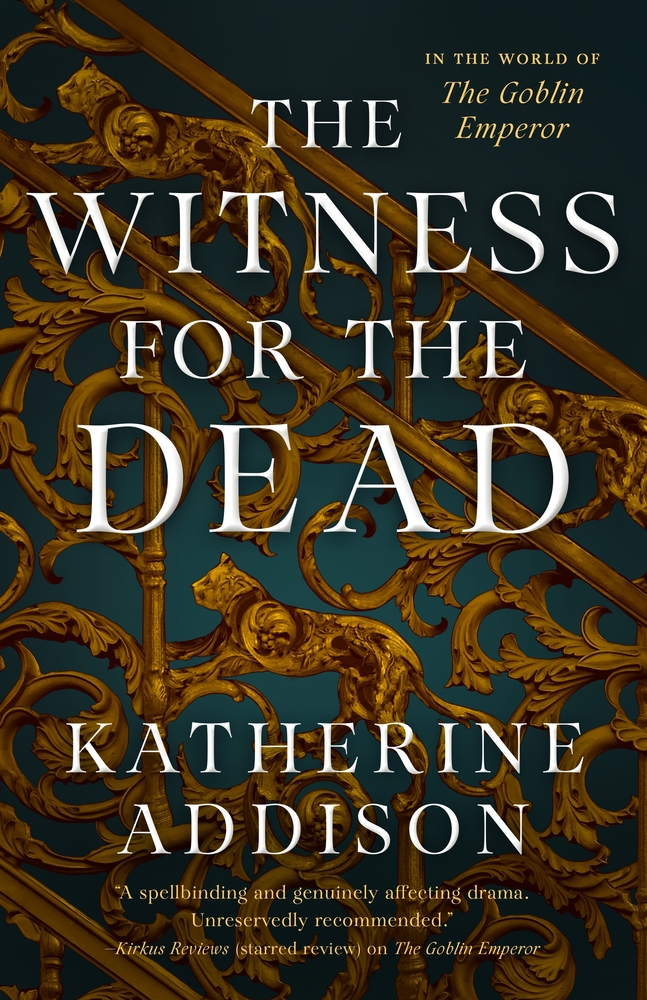
Image Place holder  of - 64 opens in a new windowThe Witness for the Dead is hitting shelves on 06/22 and to celebrate, we’re doing a throwback to this amazing Rules vs. Guidelines in Fantasy guest post from author Katherine Addison! Check it out below.


By Katherine Addison

I have loved fantasy since I was a very little girl. My father read to me: L. Frank Baum, J. R. R. Tolkien, Susan Cooper, C. S. Lewis, David Eddings, Robert Jordan. As I grew older, I scoured both school and public libraries, read fantasy and science fiction and horror: Stephen King and Isaac Asimov and Ursula K. Le Guin, Samuel R. Delany and Lois McMaster Bujold and Angela Carter. I never stopped loving fantasy, never “grew up” into a preference for realism. And I have always, always loved what Tolkien calls secondary world fantasy, stories that take place in entirely made up worlds.

I love writing those stories as much as I love reading them. I love the freedom they offer for the exercise of sheer invention. And thus one of the things that frustrates me terribly about secondary world fantasy as a genre is how hidebound it has become. The combined impact of The Lord of the Rings and Dungeons & Dragons (both excellent entities on their own merits) has created a set of genre conventions that have almost become rules, rather than merely guidelines. One of these rules is that all fantasies shall be quests; another is that no fantasy world shall ever approach the Industrial Revolution.

Obviously, these rules get broken all the time, which is a good thing. But they remain in the background, like the ceiling in “The Adventure of the Engineer’s Thumb” that could lower and squash you at any time. And it can be very hard to think around them.

The Goblin Emperor was an attempt to contravene both rules. There is no quest, and this is a world with both magic and a lively technological and scientific community. (I never have understood why magic would negate technology, even though many stories I love take that as a guiding principle.) And the technology turned out to be decidedly steampunk.

I blame this on airships. Zeppelins and dirigibles and blimps and hot-air balloons. I love them, just as steampunk loves them, and insofar as I can tell you the idea that sparked The Goblin Emperor, it was the desire to put elves and airships in the same story. Once I’d made that world-building decision, the rest of it became inevitable, and I loved figuring out the details of how the airships fit into elvish society and thinking of names for the goblin steamships. When I realized the vast central palace could have a pneumatic tube system, I was excited for days.

The hardest part was the bridge that runs as a motif through the entire book. I’m not an engineer; I don’t have the first idea how you’d actually go about building a steam-powered retractable bridge. I was stuck on that problem for an incredibly long time. But Steven Brust said something that saved me. He said that when you’re describing made-up technology, he doesn’t want to know how it works, he wants to know how it runs. And that gave me the idea of a working model instead of a long expositional presentation, and that turned into one of my favorite set pieces in the book—which is also a scene in which magic and technology are used together.

Because as far as I’m concerned, the openness of invention in secondary world fantasy means that writers can build worlds where technology and magic are intertwined or where they are at odds or anything in between. If you can imagine it, fantasy will let you write about it, and that is the most powerful and enduring reason that it is my best-beloved among the genres.

Fantasy means never having to say, “It can’t be done.”

Katherine Addison is the author of the award-winning novel, opens in a new windowThe Goblin Emperor. Her next book,  opens in a new windowThe Witness for the Dead, comes out from Tor Books 06/22/2021.

Pre-order The Witness for the Dead Here

opens in a new windowImage Placeholder of amazon- 57 opens in a new windowImage Placeholder of bn- 32 opens in a new windowImage Place holder  of booksamillion- 92 opens in a new windowibooks2 52 opens in a new windowindiebound

post-featured-image

Why I Created A Mashed-Up Edinburgh by T. L. Huchu

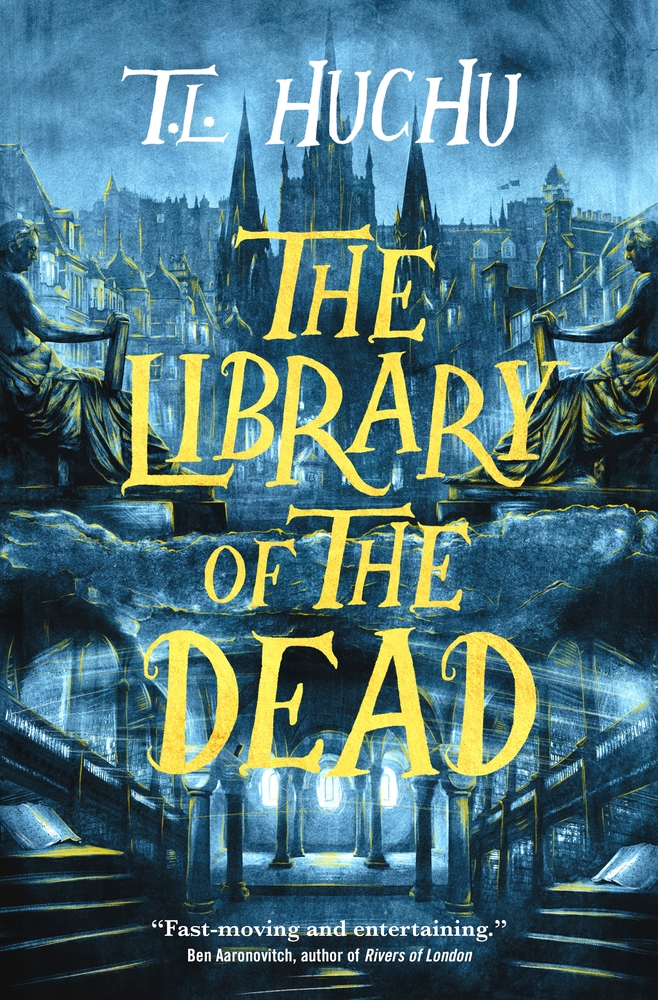
Poster Placeholder of - 32T. L. Huchu brings ghosts, Zimbabwean magic, and mystery into an alternate Edinburgh in his new novel, opens in a new windowThe Library of the opens in a new window Dead, on sale 6.01.2021. But how did he go about creating a new type of Edinburgh? Check out his article here!

By T. L. Huchu

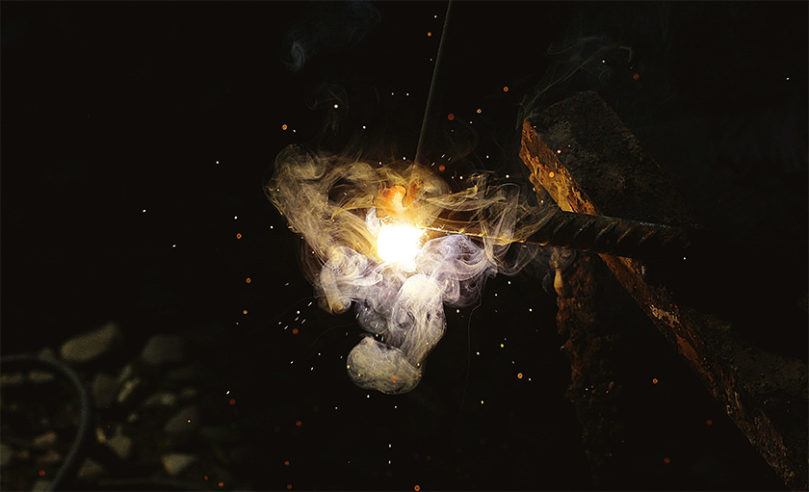
I don’t actually know who first said, “’All great literature is one of two stories; a man goes on a journey or a stranger comes to town,” but I believe they were talking about the writers, not their fictional characters. See, I believe there are two types of authors, and I fall in the latter group, the stranger who came to Edinburgh fifteen-odd-years ago. I did not know then I would fall in love with the city and end up writing about it. Not Edinburgh as is presented in tourist brochures, but a different version, perhaps even a truer version not bound by the linear progression of time but an expression of multiplicity, duplicity, and the generalized sort of multiple personality disorder which marks any great city.

In 2005 I was a ditzy student stepping off the train at Waverley Station. I didn’t know the station was named after Sir Walter Scott’s novels. Neither did I recognize the gothic structure of the Scott Monument looming in the fog as I stepped out onto Princes Street. If it’s true that the world’s a stage then I didn’t know that in that moment I was being written as a new character in a city with a rich history, which I had yet to appreciate. My part, that of the wannabe writer, is pretty much a cliché in such a literary place, but I embraced it all the same; after all, it had worked for J. K. Rowling, Charlie Stross, Iain M. Banks, et al.

I never thought I’d write about Edinburgh. What more could anyone possibly add about a place so thoroughly represented across different media? When I had the idea for The Library of the Dead I intended to set it in my home town of Bindura in Zimbabwe. But the more I thought about the story, the more I realized I needed a slightly larger canvas for it to play out. Edinburgh was an obvious pick, because while it’s not the biggest city in terms of size, it has a lot of temporal depth, intriguing histories waiting to be unearthed and repurposed. Crucially, it is a city with spectres ’round every corner, and, since my main character Ropa Moyo is a ghostalker, that was the clincher.

Every writer will tell you ideas are two-a-penny in this game. The real grind, the craft, comes in the artistic decisions one makes in order to convey a suitable narrative that encapsulates that concept. I knew the Edinburgh I would write about would not be the quaint, enlightened, touristy version she is painted out to be. Dig into the history, this is a brutal place, the site of battles, murders, riots, torture, witch-hunts, religious persecution and much else besides. The present feels safely disconnected from that history, doesn’t it? We have a clear sense there is a “then” separate and distinct from “now”. But what if I removed that cognitive filter so that past, present and future clashed? The result would be an earthquake, tectonic plates crashing into one another, unleashing danger and chaos. Some people have described the book as dystopian, but it is really a third world Edinburgh in which certain things work but others don’t, intermittent power supplies, electric vehicles next to horse drawn carts, science and magic, ghosts and villainous villains and unlikely heroines, the blurring of the neat boundaries we draw up in order to make sense of the world.

I had the distinct sense in writing The Library of the Dead that a sort of call and response was going on. That the city was co-author to the work and I was reacting to the elements she threw my way. These often came in moments of serendipity that altered the course of the narrative. When I tramped through graveyards in the Old Town seeking an entrance to the eponymous Library, I happened across a stunning circular mausoleum that happened to be the resting place of the great enlightenment philosopher David Hume. Where before he’d not factored into my thinking with relation to the novel, now I saw how central his ideas would be to Edinburgh’s magical society, which I named the Society of Sceptical Enquirers. The city is so rich in history, a history waiting to be subverted, that I often found the hardest part was stopping it from completely overwhelming the narrative I was crafting. At some point you have to say, “Nope, this is my story, we’ll do it my way,” else you’ll end up with a door stopper that’d make Tolstoy blush.

I also discovered I could alter the cityscape, bury a secret library in the heart of Calton Hill in the city centre, turn the grand villa Arthur Lodge on Blacket Place into a proper house of horrors, refill the Nor Loch in the city centre, resurrect the Victorian slums the city used to have and reimagine them for the future. In a way it felt as though if my time in Edinburgh had altered me, I could respond by changing it too, perhaps even changing the way some people see it.

All these elements came together in the telling of a story about a young girl from a slum on the outskirts of Edinburgh who has to find missing children, the victims of magical crimes no one else in the city seems to care about. It’s a story of courage and determination against the odds. And I also hope that it’s a rollicking romp which subverts the reader’s expectations and assumptions of the city and Scotland in general. Isn’t that what strangers are supposed to do to our sense of place in the world? We are just getting started on this journey. The Library of the Dead will be followed by Our Lady of Mysterious Ailments, and with each installment I hope to dig deeper into this place’s soul.

T. L. Huchu is the author of  opens in a new windowThe Library of the Dead, hitting shelves everywhere 06.01.2021. 

Pre-order The Library of the Dead Here:

opens in a new windowImage Placeholder of amazon- 9 opens in a new windowImage Place holder  of bn- 92 opens in a new windowPoster Placeholder of booksamillion- 95 opens in a new windowibooks2 59 opens in a new windowindiebound

post-featured-image

Found Families, Grand Conspiracies, and Angry Ghosts

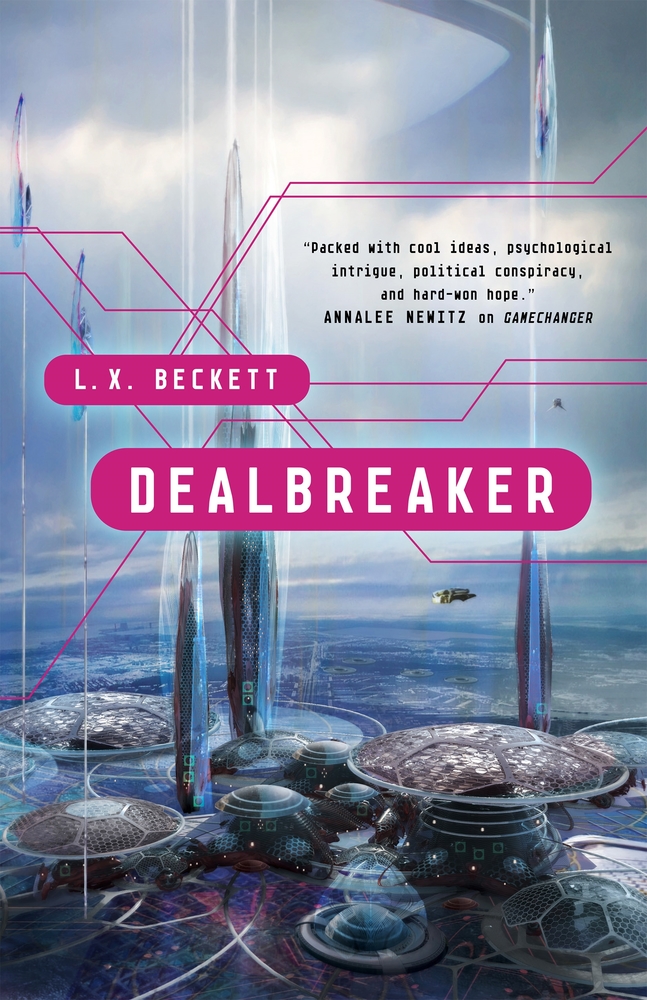
Placeholder of  -26 opens in a new windowDealbreaker is the latest book in L.X. Beckett’s Bounceback series, and it drops a vast conspiracy into the laps of a not very traditional family. In Dealbreaker, Frankie Barnes, Maud Sento, the sentient app Babs, and the rest of their packmates find themselves embroiled in something that looks like it might mean the end of the world!

Lex joins us to talk about some of their favorite supernatural and science fiction dramas from South Korea, shows where the adventures are huge, the stakes are high, and the characters’ unorthodox bonds of love and found family are tested by everything from corporate shenanigans to mermaid health emergencies!

By L. X. Beckett


opens in a new windowThe King: Eternal Monarch: When a portal opens between parallel versions of South Korea, the young king Lee Gon discovers his father’s assassin may be hiding in our world. Detective Jeong Tae-eul is the best person to help, and thanks to a twist of interdimensional temporality, Gon has had a crush on her his whole life. Now that the two have finally met, they need to resolve all of those feelings and unearth the truth.

This show didn’t make quite the splash that Netflix was expecting. Frankly, that’s a shame. There’s two of almost everybody, and it messes beautifully with all the family and friendship dynamics. Gon and Tae-eul are moving within circles where everyone’s neighborhood barista might wear the same face as a palace assassin, a goofy best friend’s counterpart is an elite, sharpshooting royal bodyguard, and someone’s lost love probably has a mysterious double lurking on the other side of a very unstable portal. Like Frankie in Dealbreaker, whose fight against offworld colonialism drags her repeatedly from her family to a space station 11 lightyears from earth,  Lee Gon’s responsibilities to his kingdom and his struggle to manage his double life loop him ever further from Tae-eul, forcing both to juggle their own personal responsibilities with those of the greater good.

opens in a new windowAre You Human? Where would we be in science fiction without tormented scientists making  questionable life choices? When widowed AI researcher Oh Ro-ra loses custody of her son to her husband’s family, she builds a robot doppleganger of her darling, Nam Shin. All well and good, right? Except then her son comes looking for her, only to fall afoul of a murder plot.

Ro-ra instantly drops all her research in favor of a scheme to get her robot faux-son to stand in for her badly injured birth child. All robot Shin has to do is move into a fabulous mansion, do the real Shin’s job, flirt with his bodyguard while fending off his fiancé, and, ideally, manage not to get caught in deep conversation with his household Roomba or the self-driving car his company is developing.

Robotic Shin has a sweetness of character that wins over all the people his understandably damaged human brother has alienated over the years. He pulls in a nucleus of people who are desperate to believe in his too-good-to-be-true transformation.

Anyone who’s read Gamechanger and Dealbreaker knows I am a sucker for lovable and helpful AIs. The robot Shin is a truly humane and altruistic entity, and I’d like to think he’d get along with Babs and Crane, but especially Happ.

opens in a new windowHe is Psychometric: A drama about three survivors of an apartment fire takes several dark turns. Lee Ahn and Yoon Jae-in meet as adults years after the infamous fire, and begin to uncover the many layers of systemic deception hiding the truth about the accident that deprived them of their parents. They are taken under the wing of an unofficial elder brother—Prosecutor Kang Sung-mo. Sung-mo is especially protective of Lee Ahn, who came away from the fire with peculiar psychic powers: when he touches murder victims or evidence from crime scenes, he sees the victims’ last moments. Using psychometry is physically damaging—possibly even life-threatening—and much of the info he gathers in this way is trivial and useless for police. Sung-mo asks Jae-in to help Lee Ahn refine his abilities as they all investigate the past case.

As Lee Ahn and Jae-in learn more about the crime and the cover up, the story behind the fire becomes ever more disturbing. A lot of shows promise viewers that the characters are digging into a mystery that may well destroy them, but few narratives truly deliver on that promise. He is Psychometric’s final revelations are truly blow-up-your-life stuff, offering a dramatic and nuanced conclusion and no easy answers.

opens in a new windowMystic Pop-Up Bar: Wol-ju has to settle scores and resolve regrets for thousands of ghosts and mourners before she can go to heaven. She redeems these longstanding regrets by becoming a bartender on the streets of Seoul. She and her chef, Manager Gwi, are approaching a deadline set by the Lord of the Underworld. Time’s running out and if she fails to help the required number of souls, Wol-ju is bound for hell.

Fortunately, the two of them meet Han Kang-bae , a young man trapped in a minimum wage job. Kang-bae is cursed: anyone he touches reveals their most intimate secrets and problems to him, whether he wants to hear them or not.

Wol-ju hatches a scheme—she’ll recruit Kang-bae as a part-time waiter in the bar and use him to compel people to tell her their problems. He’s reluctant at first, but she promises she can help him get rid of his terrible confession-inducing superpowers. As the three of them start to clear cases Wol-ju and Gwi eventually adopt Kang-bae—who desperately needs some parenting—and dig into the mystery of how he got his powers in the first place.

Kang-Bae’s feelings of abandonment make him something of a spiritual match for Frankie in Dealbreaker. Frankie finds herself in an awkward relationship with a stepparent—Rubi Whiting, from Gamechanger, while coping with estrangement from her own parent Gimlet and the death of two beloved grandparents. The importance of intimacy, mutuality, and friendly affection in so many of these shows and the way that damaged families can reinvent themselves—especially when everyone behaves with affection and good faith—is one of the many things that makes these supernatural dramas so compelling.

L. X. Beckett is the author of The Bounceback series, a new spin on near-future science fiction in this series set on a high-tech Earth that has clawed its way back from environmental collapse and is now on the brink of a technological revolution. opens in a new windowGamechanger and opens in a new windowDealbreaker are both available anywhere books are sold now.

Order Gamechanger Here:

opens in a new windowamazons opens in a new windowbns opens in a new windowbooksamillions opens in a new windowibooks2 98 opens in a new windowindiebounds

Order Dealbreaker Here:

opens in a new windowPlace holder  of amazon- 91 opens in a new windowPoster Placeholder of bn- 4 opens in a new windowPlace holder  of booksamillion- 95 opens in a new windowibooks2 57 opens in a new windowindiebound

post-featured-image

All Sweeping Aside – On Writing the Chronicles of Amicae

Placeholder of  -17Story ideas can come from anywhere, but what does it take for it to flourish into a full-blown novel? Mirah Bolender, author of the opens in a new windowChronicles of Amicae series, joins us to talk about her inspiration for the series, its publishing evolution, and more. Check it out here!


By Mirah Bolender

It’s pretty common knowledge that story ideas can spark just about anywhere. Anyone writing probably has computer documents, notebooks, and paper scraps overflowing with pieces of inspiration. It’s hard sometimes to know which of those will actually keep your attention and grow—sometimes the ones you’re initially passionate about fall to the wayside, and something random you picked up on a whim turns into a monster of a draft.

I recently found my original idea for the Chronicles of Amicae: less than two hundred words jotted down in a junk file on my computer, forming the vaguest of outlines. While I can see the roots of the final story in there, it’s also laughably different! It was steampunk. It had very heavy The BFG vibes. It was weird. At the time I was a college student participating in a writing workshop; the professor was assigning us all sorts of prompts to combine together, and I was having a ball with those already. I thought to myself, why not use this weird idea for the latest prompt? The prompt in question was “a day on the job,” but this professor was also notorious for adding in conditions from whatever he was reading. In this case, he had just finished House of Leaves—we had to create separate but connecting narratives in layers of footnotes. The outcome became chapter one. While the footnotes never made it to the final product (readers will probably thank me for that), the paranoia and subplots from them were still material that became vital plot points for the rest of the series.

Characters are key to every story, and most of the time I come up with characters before I figure out anything else. In this case I came up with the clever and mysterious Sweeper Mentor, but I didn’t want to write from his perspective because 1) clever mentors already know things instead of unraveling them for an audience, and 2) keeping a mentor clever and mysterious when you’re writing inside his head is a very difficult task. I needed a protagonist, but I had no idea what kind of person she’d be. For this I turned to my favorite type of characterization: a pinball method. Basically, if you’ve got one solid character, you bounce the new one off of it and figure them both out based on reactions—after all, if you know what you want the solid one to say, what can prompt them to say it? I bounced the blank Sweeper Apprentice off of the Mentor, what immediately came out was sass, and I said to myself, Ah, yes, I like this one. Boom, I had “Laura” instead of “Apprentice.”

When it comes to plot, I’m absolutely a “pantser”: I “fly by the seat of my pants.” When push comes to shove I can be a hybrid “plantser” by including outlines, but the pinball method hits me here, too—I’ll write a scene, which will then ricochet into something completely unplanned because oh no that gives me another cool idea to weave in—and so it goes. I’m also kind of a story magpie because I’ll toss in recycled bits from my old work or other interesting things I’ve seen recently. If those elements bounce off the existing material right, they stay! Otherwise they get pulled out and thrown in the recycle pile again. For example, the character Okane’s appearance, his personality, and his physical inability to say the word “you” are all harvested from different pieces of old stories that ended up working perfectly into the established magic system here, and became key pieces of this series’ plot.

Writing a series is difficult. You probably already guessed that when pinball is so prominent in my writing process, but even after that stage is over it gets complicated. Imagine the series is a skyscraper. Your solid draft of book one is the ground level up to the fifteenth floor; your early draft of book two forms the next section up; and the mostly written version of book three is wavering up on top in the wind. Edits happen. Maybe they’re tiny edits, but they’ve shifted the foundations and suddenly everything on top is off balance. You keep the bones of book two’s draft but with much heavier edits. Suddenly everything you had for book three makes no sense, it doesn’t work, why did you even have a draft for book three? (The answer is that you should absolutely have something to go on even if it’s an outline). Edits across the books can be so dramatic, there are even two characters in book three that have completely swapped personalities from their original versions! I’ve had the great luck of working with an editor who’s been enthusiastic about my story at every turn and never once suggested a change that didn’t make the narrative stronger, so while it can feel hectic and rushed during edits, it’s also something I’ve been able to step back and marvel at once I’m done.

Writing a series is also a lot of fun. You become attached to the world and characters that you’ve created. After you’ve explained the basics of the magical society and forged the relationships during book one, you don’t have to leave! Everything is broken in already. You don’t have to reiterate the basics, just launch into the new situation! I always had a series in mind, because when I got invested enough to write the story, I kept thinking of all the different situations possible for those characters and how they all couldn’t fit into one book. If you’re going to invest your time, why not put in serious dedication? Case in point: my original thought for Chronicles of Amicae was more like five books. My editor and I took a different course and ended up at the far stronger three. We’re already dealing with politics, mobs, crusading cities, secret magical communities, and man-eating nightmare monsters living like hermit crabs in the equivalent of magical rechargeable batteries. There was so much already; snippets of other Sweeper plotlines had to be filed away to be recycled into future products.

Honestly, it still amazes me that I’m published. Every time that I remember I’ve seen my books on a bookstore shelf or available online, I have to lay down and try not to scream with excitement. It’s so cool that I’ve been able to do what I love professionally. No matter what happens to me in life, no one can take away the fact that I have been published. There are so many ideas, so many things I’ve tried writing…sometimes it’s strange which ones keep my attention long enough to become finished drafts. When I first jotted down those two hundred words, I never would’ve guessed they’d grow into something this big. It’s been a wild ride, but it’s also been a lot of fun.

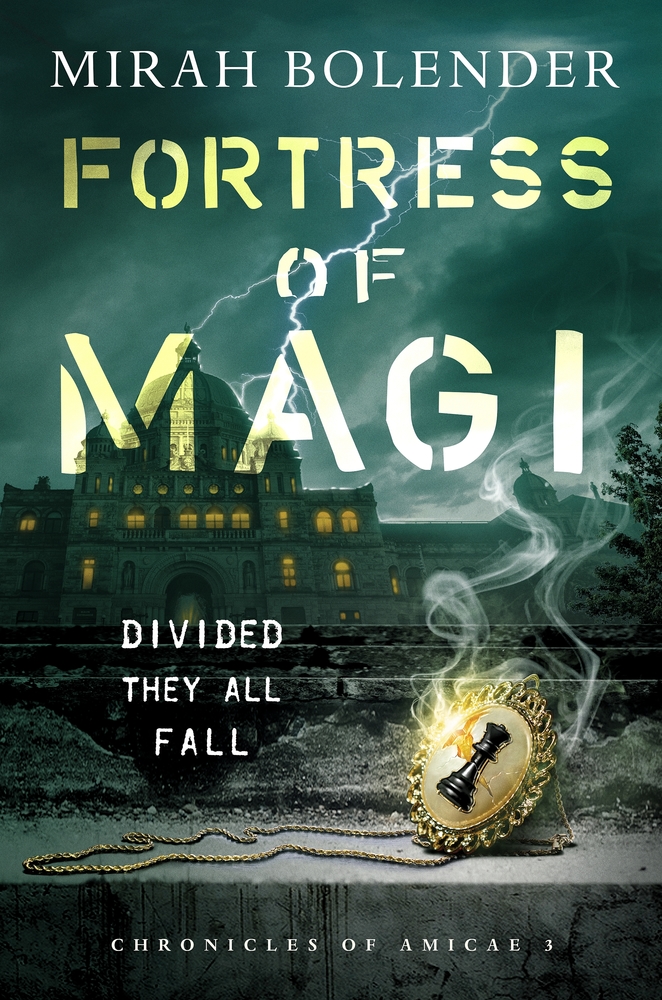
Mirah Bolender is the author of the Chronicles of Amicae. The final book in the trilogy, Fortress of Magi, is on sale from Tor Books on April 20, 2021. 

Pre-order Fortress of Magi

opens in a new windowPlace holder  of amazon- 4 opens in a new windowPlace holder  of bn- 61 opens in a new windowPlaceholder of booksamillion -72 opens in a new windowibooks2 19 opens in a new windowindiebound

The owner of this website has made a commitment to accessibility and inclusion, please report any problems that you encounter using the contact form on this website. This site uses the WP ADA Compliance Check plugin to enhance accessibility.